






- July 24, 2023
- E-commerce Solutions
E-commerce Solutions for Modern Businesses in 2026
- E-commerce Solutions for Modern Businesses in 2026
- E-commerce has transformed the way businesses operate, making it easier than ever to reach customers globally. In 2026, having a powerful e-commerce solution is essential for any business looking to scale, increase revenue, and stay competitive in a fast-moving digital marketplace.
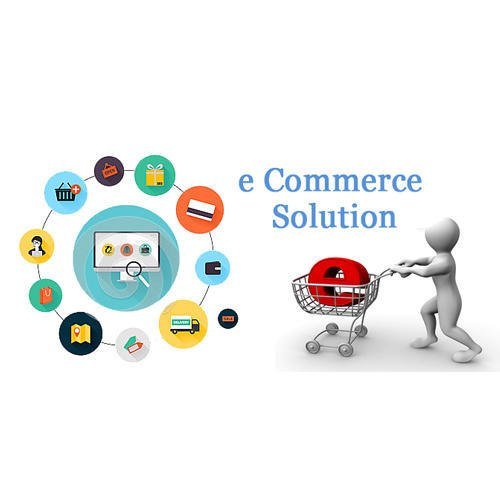
- A modern e-commerce platform is more than just an online store — it is a complete digital ecosystem. It includes product management, secure payment systems, inventory tracking, customer engagement tools, and analytics, all working together to deliver a seamless shopping experience.
- User experience plays a crucial role in e-commerce success. Clean design, fast loading speed, easy navigation, and mobile optimization ensure that customers can browse and purchase products effortlessly. A smooth checkout process significantly reduces cart abandonment rates and boosts conversions.
- Mobile commerce (m-commerce) continues to dominate the market. With the majority of users shopping via smartphones, businesses must focus on mobile-friendly designs, responsive layouts, and app-based shopping experiences to maximize reach and engagement.
- Secure payment integration is a key component of any e-commerce solution. Supporting multiple payment options such as UPI, credit/debit cards, net banking, and digital wallets ensures convenience for customers. Advanced encryption and secure gateways help build trust and protect sensitive information.
- Personalization is a major trend in 2026. E-commerce platforms use Artificial Intelligence (AI) to analyze user behavior and provide personalized product recommendations, targeted offers, and customized shopping experiences. This increases customer satisfaction and drives repeat purchases.
- Inventory and order management systems help businesses track stock levels, manage orders, and streamline logistics efficiently. Automation reduces manual errors and ensures timely delivery, improving overall operational efficiency.
- Integration with third-party services such as shipping providers, CRM systems, and marketing tools enhances functionality. Businesses can automate shipping, manage customer relationships, and run targeted marketing campaigns directly from their e-commerce platform.
- Scalability is essential for growing businesses. A robust e-commerce solution should be able to handle increasing traffic, product listings, and transactions without compromising performance. Cloud-based infrastructure and scalable architecture ensure long-term reliability.
- Analytics and reporting tools provide valuable insights into sales performance, customer behavior, and market trends. Businesses can use this data to make informed decisions, optimize pricing strategies, and improve overall performance.
- Marketing features such as discount coupons, loyalty programs, referral systems, and email campaigns help attract and retain customers. Social media integration also allows businesses to reach a wider audience and drive traffic to their online store.
- Security and compliance are critical in e-commerce. Implementing SSL certificates, secure APIs, and data protection measures ensures that customer information remains safe. Compliance with industry standards builds credibility and trust.
- Multi-vendor and marketplace solutions are becoming increasingly popular. Businesses can create platforms where multiple sellers can list and sell products, expanding product variety and increasing revenue opportunities.
- In 2026, successful e-commerce solutions combine technology, design, and strategy to create powerful online shopping experiences. Businesses that invest in advanced e-commerce systems can reach global audiences, increase sales, and build strong customer relationships.
- The future of commerce is digital — and a strong e-commerce solution is the key to unlocking unlimited growth potential.