






- April 22, 2026
- Educational Software
Educational Software: Transforming Learning in the Digital Age 2026
- Educational Software: Transforming Learning in the Digital Age 2026
- In 2026, educational software has become a powerful force reshaping how students learn, teachers teach, and institutions operate. With rapid advancements in technology, digital learning platforms are making education more accessible, interactive, and personalized than ever before.
- Educational software is no longer limited to simple e-learning tools. It now includes intelligent learning systems, virtual classrooms, assessment platforms, and AI-powered tutoring solutions. These systems are designed to provide a complete learning ecosystem that supports students at every stage of their educational journey.
- Personalization is one of the biggest advantages of modern educational software. Using Artificial Intelligence (AI), platforms can analyze student performance, learning pace, and preferences to deliver customized content and recommendations. This ensures that every learner receives a tailored experience that maximizes understanding and retention.
- Interactive learning is at the core of digital education. Features such as quizzes, simulations, videos, and gamification make learning engaging and enjoyable. Students are more motivated when they can actively participate and receive instant feedback on their progress.
- Virtual classrooms have revolutionized remote education. With live video sessions, real-time collaboration tools, and interactive whiteboards, students and teachers can connect seamlessly from anywhere in the world. This has made education more flexible and accessible to a global audience.
- Assessment and evaluation systems are more advanced and efficient. Automated grading, performance tracking, and detailed analytics help educators monitor student progress and identify areas for improvement. This data-driven approach enhances teaching effectiveness and learning outcomes.
- Mobile learning (m-learning) is gaining widespread adoption. Educational apps allow students to learn anytime, anywhere, making education more convenient and flexible. Offline access and downloadable content further enhance usability, especially in areas with limited internet connectivity.
- Security and data privacy are critical in educational platforms. Protecting student information, academic records, and institutional data requires strong security measures such as encryption, secure authentication, and compliance with data protection standards.
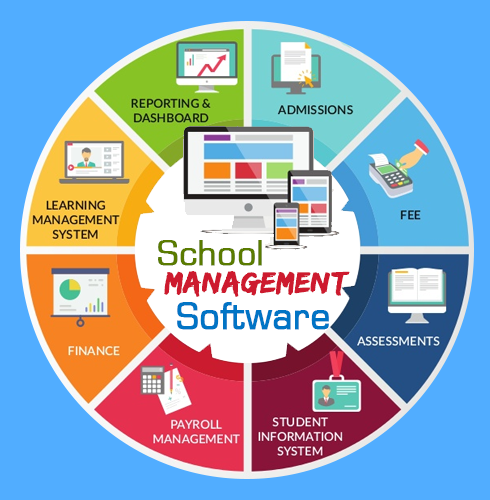
- Integration capabilities make educational software more powerful. Connecting with tools like learning management systems (LMS), payment gateways, attendance systems, and communication platforms creates a unified and efficient ecosystem for both students and educators.
- Accessibility is a key focus in modern educational solutions. Features like multilingual support, screen readers, and adaptive interfaces ensure that education is inclusive and available to learners of all backgrounds and abilities.
- Cloud-based educational platforms provide scalability and reliability. Institutions can manage large numbers of users, store vast amounts of data, and ensure uninterrupted access to learning resources without heavy infrastructure investments.
- Collaboration tools within educational software enable students to work together on projects, share ideas, and communicate effectively. This fosters teamwork and enhances the overall learning experience.
- Continuous updates and innovation keep educational software relevant and effective. New features, improved interfaces, and updated content ensure that learners and educators always have access to the best tools and resources.
- In 2026, educational software is not just about delivering content — it is about creating meaningful learning experiences that inspire growth, curiosity, and innovation. It empowers both students and educators to achieve more in a rapidly evolving digital world.
- The future of education is digital, intelligent, and connected — and educational software is leading the way toward a smarter learning environment.