






- April 22, 2026
- Design & Creativity
Design & Creativity: Shaping Digital Experiences in 2026
- Design & Creativity: Shaping Digital Experiences in 2026
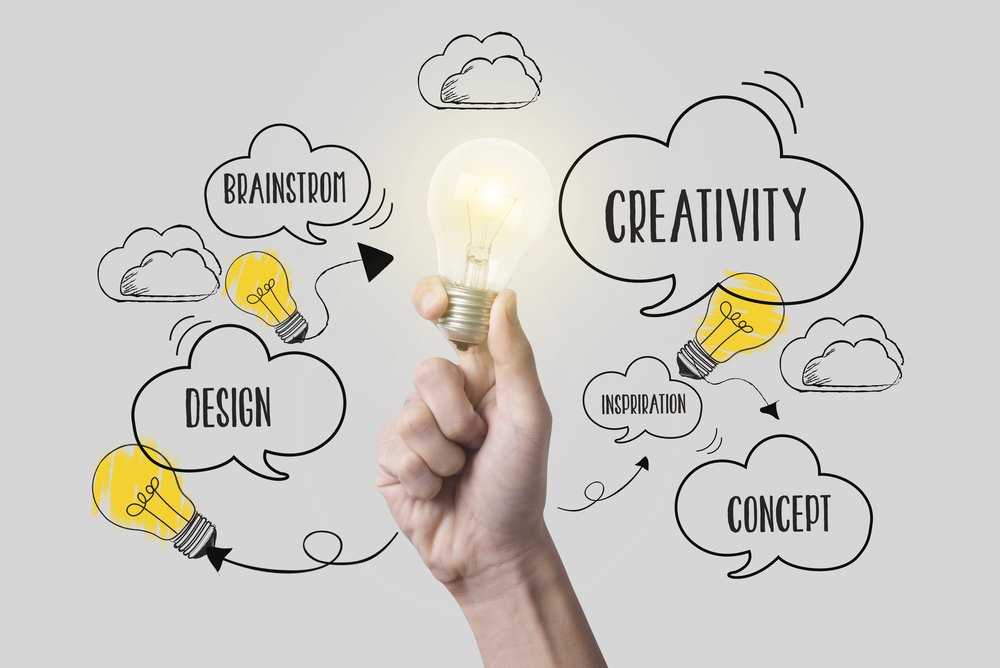
- In 2026, design and creativity are no longer just aesthetic elements — they are powerful strategic tools that define how users perceive, interact with, and remember a brand. Great design goes beyond visuals; it communicates ideas, builds emotional connections, and creates meaningful experiences that leave a lasting impact.
- Creativity is the driving force behind innovation. Businesses that embrace creative thinking can stand out in crowded markets by offering unique and engaging experiences. Whether it’s a website, mobile app, or digital campaign, creativity transforms ordinary interactions into extraordinary moments.
- User Experience (UX) design plays a critical role in ensuring that every interaction feels seamless and intuitive. From smooth navigation to logical content flow, UX design focuses on understanding user behavior and delivering solutions that are simple, efficient, and enjoyable to use.
- User Interface (UI) design brings creativity to life through visuals. Modern UI trends in 2026 include glassmorphism, 3D elements, soft shadows, gradients, and micro-interactions that enhance engagement. A visually appealing interface captures attention and encourages users to explore further.
- Typography is a key element of design that influences readability and brand identity. Carefully chosen fonts, sizes, and spacing create a clear visual hierarchy and improve user experience. Modern design often uses clean, bold, and highly legible fonts to maintain clarity across devices.
- Color psychology plays an important role in influencing user emotions and behavior. Strategic use of colors can evoke trust, excitement, or calmness, depending on the brand’s goals. Consistent color schemes also strengthen brand recognition and identity.
- Motion design and animations are becoming essential in modern interfaces. Subtle animations, transitions, and interactive elements make digital experiences more dynamic and engaging. They guide users, provide feedback, and enhance overall usability.
- Branding is deeply connected with design. Every visual element, from logos to icons and layouts, contributes to a cohesive brand identity. Strong branding ensures that users can instantly recognize and trust your business across different platforms.
- Creativity also extends to content design. Structuring information in a visually appealing and easy-to-understand format improves communication and user engagement. Infographics, visual storytelling, and interactive content are powerful tools in modern design.
- Accessibility is an essential aspect of design in 2026. Creating inclusive designs that cater to users with different abilities ensures that everyone can access and interact with your content. Features like high contrast, readable fonts, and intuitive layouts enhance usability for all users.
- Design systems and consistency are crucial for scalability. Using standardized components, styles, and guidelines ensures that designs remain consistent across platforms and products. This not only improves efficiency but also strengthens brand identity.
- Collaboration between designers, developers, and stakeholders is key to successful design outcomes. A well-coordinated approach ensures that creative ideas are effectively implemented into functional and high-performing digital products.
- Continuous innovation keeps design fresh and relevant. Staying updated with the latest trends, tools, and technologies allows businesses to create cutting-edge experiences that meet evolving user expectations.
- In 2026, design and creativity are at the heart of digital success. They transform ideas into impactful experiences, helping businesses connect with users on a deeper level and stand out in a competitive landscape.
- The future belongs to those who create, innovate, and design experiences that truly inspire.